Buffalo: Bold, Beautiful, and Built for Creativity
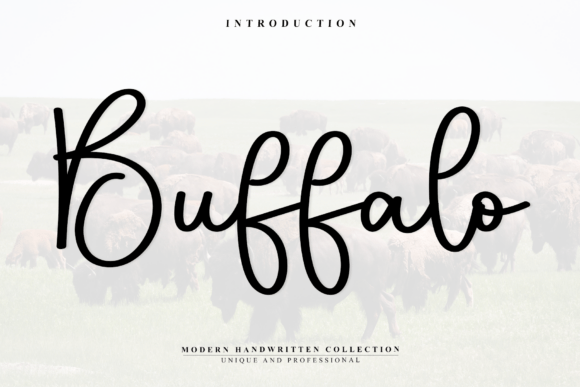
For designers, entrepreneurs, and creative professionals, the right typeface can make all the difference. Buffalo is more than just a font—it’s a powerful tool that adds energy, personality, and visual interest to any project. With its bold, energetic handwritten style, Buffalo brings a sense of movement and “sweet calligraphy” to your work, making it ideal for everything from t-shirt designs to YouTube banners and merchandise.
Whether you're working on a brand identity, a marketing campaign, or a personal project, Buffalo offers a unique blend of professionalism and soulful expression. Its thick, confident strokes give it a strong presence, while the wealth of alternate characters and swashes allows for endless customization. This makes it easy to create one-of-a-kind, hand-drawn looks that stand out in a crowded digital space.
Why Buffalo Matters for Your Creative Work
If you're looking to add a dynamic, expressive element to your designs, Buffalo is a game-changer. Unlike generic fonts that feel flat and unremarkable, Buffalo brings a sense of authenticity and craftsmanship. It’s especially useful when you want to convey a sense of energy, movement, or warmth—qualities that are hard to achieve with more rigid typefaces.
One of the key benefits of Buffalo is its ease of use. The PUA-encoded glyphs mean you can access all the alternate characters and swashes without needing special software or plugins. This simplifies the design process, allowing you to focus on creativity rather than technical hurdles. Whether you’re designing for print or digital media, Buffalo adapts seamlessly, ensuring your message is both clear and visually compelling.
How Buffalo Can Enhance Your Projects
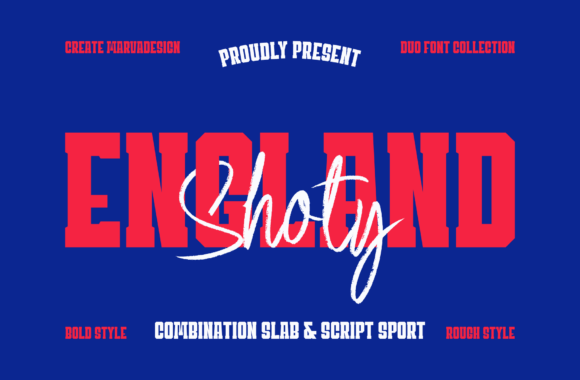
Imagine you're creating a YouTube banner for a lifestyle channel focused on outdoor adventures. Pairing Buffalo with a vintage-style slab serif can instantly evoke a “coffee shop” or “outdoor adventure” vibe. The contrast between the bold, flowing script and the sturdy, classic serif creates a balanced, modern aesthetic that feels both professional and approachable.
For small business owners, Buffalo is a great choice when designing logos, packaging, or social media graphics. Its hand-drawn quality adds a personal touch, which can help build trust and connection with your audience. For example, a boutique coffee shop might use Buffalo in their branding to communicate a sense of warmth, creativity, and authenticity.
Freelancers and marketers also find value in Buffalo. When crafting headlines, promotional materials, or email newsletters, the font’s energy and expressiveness can help capture attention and drive engagement. Its versatility means it works well in both high-impact visuals and subtle design elements, making it a valuable addition to any designer’s toolkit.
Who Benefits Most from Using Buffalo
Buffalo is particularly beneficial for those who work in creative fields such as graphic design, branding, and content creation. It’s also ideal for entrepreneurs and small business owners who want to elevate their visual identity without relying on complex design tools. Educators and bloggers may find it useful for creating engaging presentations or website headers that stand out from the crowd.
However, it’s important to note that Buffalo is best suited for projects where a bold, expressive style is desired. While it’s highly customizable, it may not be the best fit for formal or minimalistic designs. If you're aiming for a clean, neutral look, a sans-serif or serif font might be more appropriate. That said, for most creative and commercial applications, Buffalo offers a fresh, dynamic alternative that can enhance your work in meaningful ways.
Practical Tips for Using Buffalo Effectively
To get the most out of Buffalo, start by experimenting with different combinations. Try pairing it with other fonts to see how they interact. A vintage slab serif, as mentioned earlier, is a great match, but you could also pair it with a modern sans-serif for a more contemporary feel. The key is to maintain balance and readability while letting the font shine.
When using Buffalo in digital projects, keep in mind that some platforms may not support all the glyphs. Always test your designs across different devices and browsers to ensure consistency. For print projects, make sure to use high-quality file formats and check with your printer to confirm compatibility.
Another tip is to use Buffalo selectively. While it’s great for headlines, titles, and short phrases, it may not be the best choice for long blocks of text. Save it for areas where it can have the most impact, such as logos, captions, or call-out sections. This helps maintain visual clarity and ensures your message is easy to read.
Buffalo in Action: Real-World Examples
Consider a musician launching a new album. Using Buffalo in the album cover design could add a sense of energy and artistic flair, helping to differentiate the release from others in the market. Similarly, a fitness coach creating social media content might use Buffalo in post headlines to draw attention and convey motivation.
For educators, Buffalo can be a great tool when designing lesson plans, infographics, or classroom materials. Its lively style can make learning more engaging and visually appealing, especially for younger audiences. And for hobbyists, it’s a fun way to add a personal touch to DIY projects, whether it’s customizing a notebook or creating a handmade greeting card.
Final Thoughts on Buffalo
Buffalo is more than just a font—it’s a creative asset that can elevate your work in countless ways. Its bold, expressive style, combined with its flexibility and ease of use, makes it a valuable choice for designers, entrepreneurs, and creators looking to stand out. Whether you're working on a personal project or a professional campaign, Buffalo offers a fresh, dynamic approach that can help you communicate your message with greater impact.
As with any design tool, the key is to use it thoughtfully and intentionally. By understanding its strengths and limitations, you can harness the full potential of Buffalo and create work that resonates with your audience. So why not give it a try? You might just find that it becomes an essential part of your creative process.