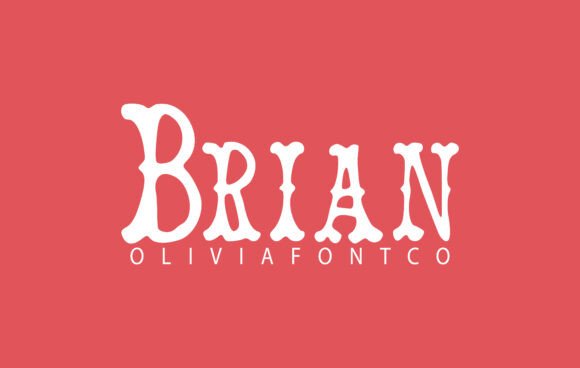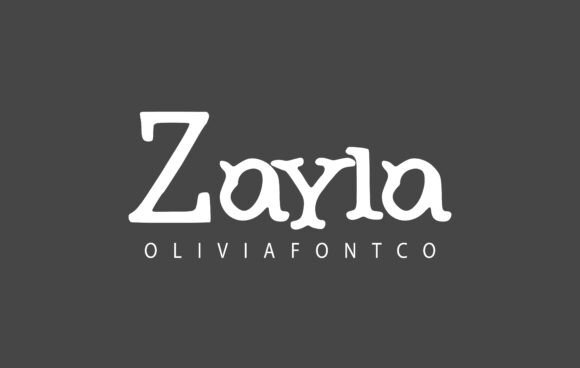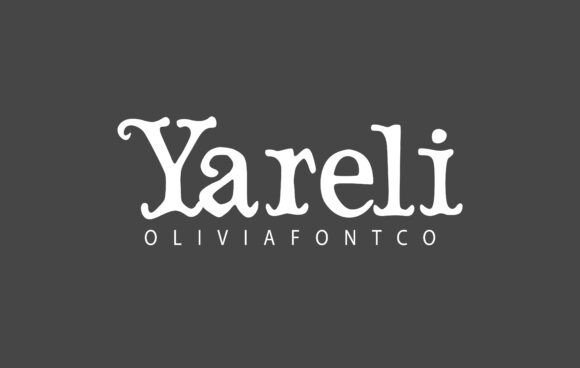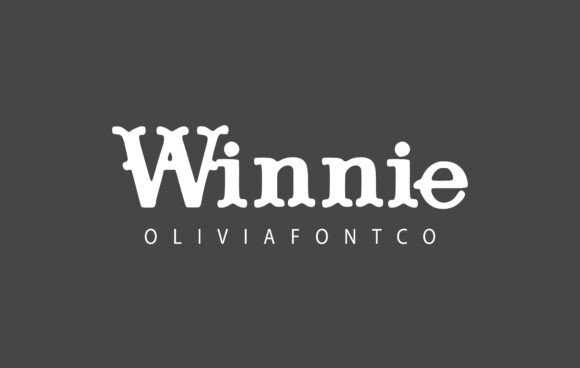
Milo: A Handwritten Font with Romantic Elegance
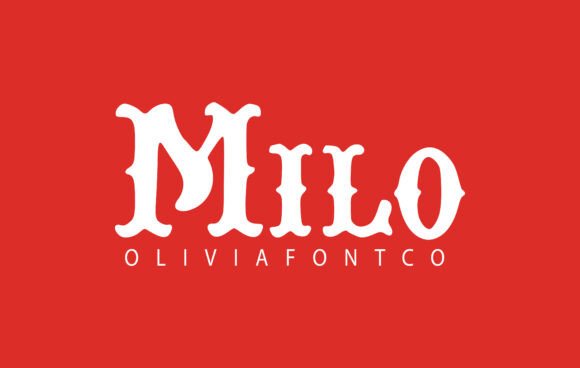
The Milo font is a unique handwritten typeface that brings a romantic and personal touch to any design. Its organic, flowing strokes make it ideal for projects that require a warm, authentic feel. Whether used as a headline or body text, Milo offers a balance of legibility and artistic flair that sets it apart from more rigid, mechanical fonts.
Designed with attention to detail, Milo maintains clarity even at smaller sizes, making it suitable for both digital and print applications. Its versatility allows it to fit into a wide range of creative contexts, from editorial layouts to marketing materials. The font’s natural aesthetic makes it particularly well-suited for projects that aim to evoke emotion or convey a sense of intimacy.
Key Characteristics of Milo
Milo’s most notable feature is its handwritten style, which mimics the look of real pen and ink. This gives it an approachable, human quality that can enhance the visual appeal of any project. The font includes a variety of characters, including uppercase and lowercase letters, numbers, and punctuation, ensuring that it can be used in diverse typographic scenarios.
One of the strengths of Milo is its readability. Unlike some script fonts that prioritize style over function, Milo retains a level of clarity that makes it easy to read, even in longer blocks of text. This makes it a practical choice for body copy in newsletters, brochures, or website content where a more personal tone is desired.
The font also features consistent spacing and proportion, which contributes to its professional appearance. This consistency ensures that Milo looks polished and refined, regardless of the context in which it is used. Whether applied to a logo, a social media post, or a wedding invitation, Milo maintains a cohesive and elegant look.
Practical Applications of Milo
Milo is particularly effective in design projects that benefit from a handwritten aesthetic. For example, in the realm of branding, the font can help create a distinctive identity that feels more personal and relatable. It is often used by small businesses, independent designers, and entrepreneurs who want to communicate authenticity and creativity through their visual materials.
In the field of publishing, Milo can be used for magazine headlines, article titles, or section dividers. Its romantic touch adds a touch of sophistication without being overly ornate. This makes it a good choice for publications targeting audiences that appreciate style and substance, such as lifestyle magazines, fashion journals, or literary works.
For event planning and invitations, Milo is an excellent option. Wedding invitations, thank-you cards, and party flyers can all benefit from the font’s warm, handwritten feel. It conveys a sense of care and thoughtfulness, which is essential in these types of communications.
Usability and Flexibility
Milo is available in multiple weights and styles, allowing users to choose the version that best suits their needs. This flexibility makes it adaptable to different design requirements, whether the goal is to create a bold statement or a subtle accent.
The font is also compatible with a wide range of design software, including Adobe Creative Suite, Canva, and other popular tools. This accessibility ensures that users can integrate Milo into their workflow without significant technical hurdles.
Another advantage of Milo is its ability to work well alongside other typefaces. It pairs nicely with both serif and sans-serif fonts, making it a versatile choice for multi-font layouts. This compatibility enhances its usefulness in complex design projects where visual hierarchy and contrast are important.
Who Benefits Most from Milo?
Entrepreneurs and small business owners looking to establish a unique brand identity may find Milo to be a valuable asset. Its personal and romantic style can help differentiate their products or services in a competitive market. For example, a boutique clothing store or a handmade goods shop might use Milo to create a more intimate and authentic brand presence.
Marketers and advertisers can also benefit from using Milo in campaigns that aim to connect emotionally with their audience. Social media posts, email newsletters, and promotional materials that incorporate the font can feel more genuine and engaging. This can lead to increased user interaction and stronger brand loyalty.
Freelancers and creatives working on personal projects or client work may appreciate the font’s ability to add a special touch to their designs. Whether designing a portfolio site, a blog layout, or a client’s marketing collateral, Milo can elevate the overall aesthetic and convey a sense of craftsmanship.
Limitations and Considerations
While Milo is highly readable, it may not be the best choice for large amounts of body text. In such cases, a more traditional typeface might be more appropriate to ensure optimal readability and user experience. Designers should also consider the context in which the font is used, as its romantic and informal style may not align with more formal or corporate environments.
Additionally, the font’s handwritten nature means that it may not be as universally recognizable as more standard typefaces. This could be a consideration for projects that require broad accessibility or a more neutral visual language.
Final Thoughts on Milo
Milo is a standout font for those seeking a blend of elegance and warmth in their design work. Its handwritten style, combined with strong legibility, makes it a practical choice for a variety of creative applications. Whether used in branding, publishing, or event design, Milo has the potential to enhance the visual appeal and emotional impact of a project.
For professionals and hobbyists alike, Milo offers a way to add a personal and artistic touch to their work. By understanding its strengths and limitations, users can make informed decisions about when and how to incorporate this font into their designs. Ultimately, Milo is a valuable tool for anyone looking to bring a sense of authenticity and romance to their creative output.