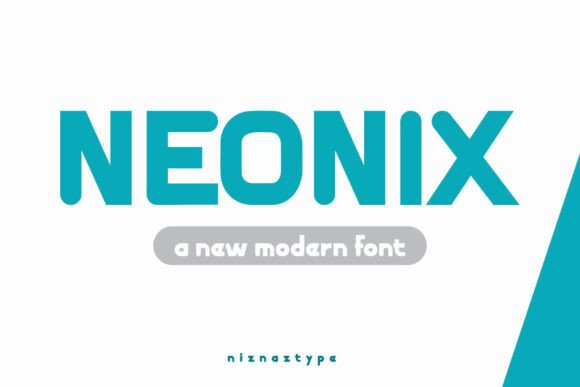
Neonix: A Futuristic Typeface for Modern Design
Neonix is a modern and futuristic typeface that has gained attention in the design community for its unique visual appeal. Designed with a focus on postmodern, futuristic, and contemporary styles, Neonix offers a distinctive look that can elevate various design projects. This font features a set of glyphs that stand out from traditional typefaces, making it a popular choice for designers looking to create visually striking work.
What Makes Neonix Unique?
One of the defining characteristics of Neonix is its unique glyph design. Unlike standard fonts, Neonix incorporates elements that evoke a sense of technology and innovation. The characters often have sharp angles, glowing effects, and a clean aesthetic that aligns with futuristic themes. These features make it particularly suitable for projects that require a high level of visual impact and a modern feel.
The font's design also allows for flexibility in different applications. Whether used in digital or print media, Neonix maintains its clarity and style. Its versatility makes it an attractive option for a wide range of design needs, from editorial layouts to branding materials.
When to Consider Neonix
Designers who are working on projects with a futuristic or postmodern theme may find Neonix to be an ideal choice. It is especially effective in situations where the goal is to convey a sense of innovation or advanced technology. For example, in advertising campaigns targeting tech-savvy audiences, Neonix can help create a strong visual identity that resonates with the intended message.
Additionally, Neonix is well-suited for headlines, posters, and other forms of visual communication where boldness and clarity are essential. Its clean lines and distinctive appearance can draw attention and make a statement, which is crucial in competitive design environments.
Benefits of Using Neonix
One of the main benefits of using Neonix is its ability to add a fresh and modern look to any design. This can be particularly valuable for brands or individuals seeking to differentiate themselves in a crowded market. The font’s unique characteristics can help create a memorable visual identity that stands out from the competition.
Another advantage is its adaptability. Neonix can be used across various mediums, including web design, print, and multimedia projects. This flexibility ensures that designers can maintain a consistent look across different platforms without compromising on quality or style.
Considerations and Tradeoffs
While Neonix offers many advantages, there are some factors to consider before incorporating it into a design project. One potential drawback is its suitability for certain types of content. For instance, in formal or traditional contexts, the font may appear too stylized or unconventional. In such cases, a more standard typeface might be more appropriate.
Additionally, the use of Neonix may require careful consideration of legibility. While the font is designed to be clear and readable, its unique style could affect how easily text is understood, especially at smaller sizes. Designers should test the font in different scenarios to ensure it meets the readability requirements of their project.
Alternatives to Neonix
For those who are looking for similar fonts, there are several alternatives that may better suit specific needs. Fonts like Neon or Pixelify offer comparable styles but may vary in terms of weight, spacing, and overall aesthetics. Exploring these options can help designers find the best fit for their particular goals.
It is also worth considering the availability of the font. Some typefaces may be more widely available or supported across different platforms, which can influence the decision-making process. Designers should evaluate the practicality of using Neonix in their workflow, including compatibility with software and file formats.
Practical Decision-Making Insights
When deciding whether to use Neonix, it is important to assess the specific requirements of the project. Factors such as the target audience, the intended message, and the overall design concept should all be taken into account. By understanding these elements, designers can determine if Neonix aligns with their creative vision and practical needs.
Testing the font in real-world scenarios is another key step. Creating sample designs or mockups can provide insight into how Neonix performs in different contexts. This approach helps identify any potential issues and ensures that the final outcome meets the desired standards.
Finally, staying informed about trends and developments in typography can help designers make more informed choices. As new fonts and styles emerge, it is important to remain open to exploring alternative options that may better suit evolving design needs.